

You can tell an overseas job offer is real by checking the employer, the recruiter’s license, and official channels first. Those three checks can expose warning signs before your passport scan leaves your phone.
Many people skip them because the offer arrives with a deadline attached and a salary that feels life-changing. At Brian Mathews, we hear from job seekers who wired fees to a recruiter, then watched every phone number go dead.
This guide covers the warning signs, the recruitment checks, and the documents you should never send early. This way, you’ll know what to check before you reply to that message.
Overseas Job Scams Follow a Pattern You Can Learn to Spot
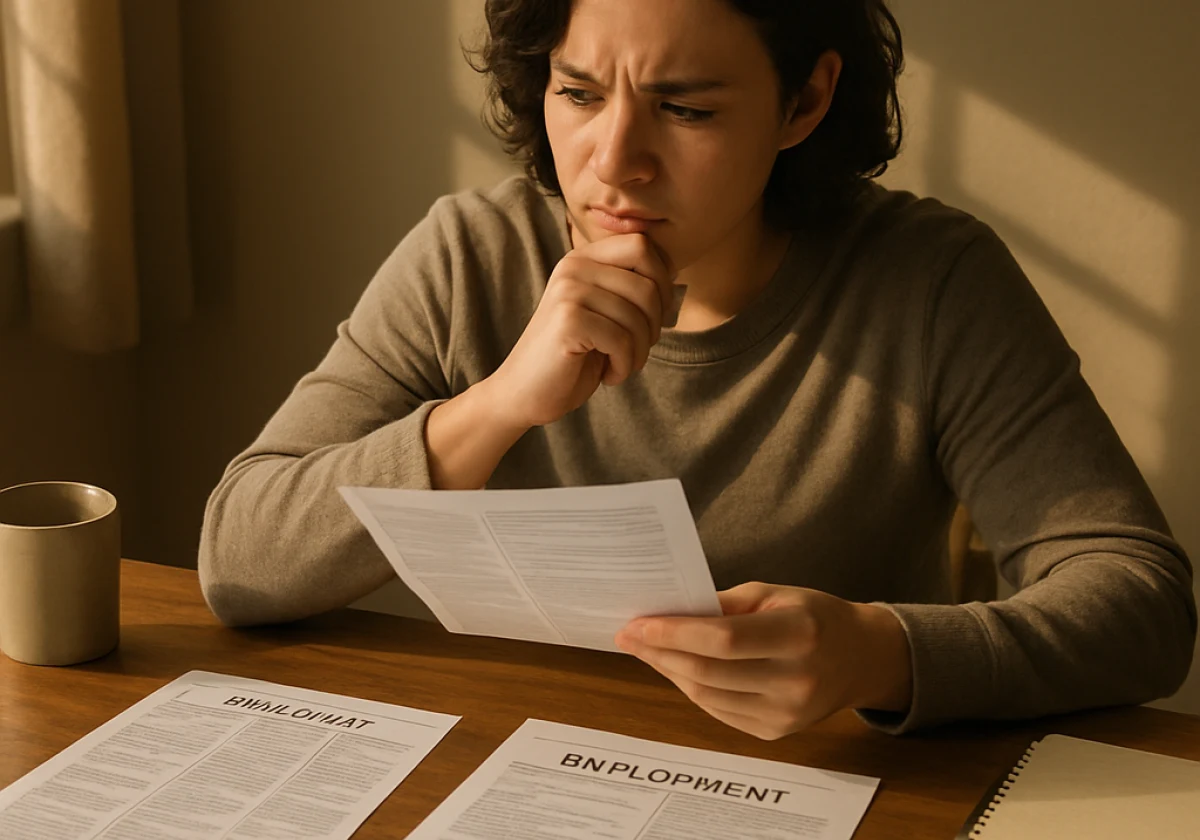
Most victims of employment scams have told us that the offer looked completely normal at first. Emails may sound professional, the job title may match your experience, and scammers may even point you towards a real company website. Still, several warning signs often appear once you look more closely.
High Salaries and Easy Requirements Are the First Lure
Scammers use high salaries to grab attention and make an offer harder to ignore. Say, a warehouse role in Dubai promising unusually high pay with no experience needed deserves a closer look before you respond.
What’s more, vague or unusually easy requirements can widen the pool of people who respond to fake job advertisements. We’ve seen these advertisements promise salaries well above similar roles in the same country.
That’s why compare the offer with current listings on established job boards before trusting the figure (ten minutes of checking can reveal a lot).
Why Does a Recruitment Scam Push You to Decide Fast?
Speed is the whole point here. A recruitment scam needs you to decide before you check, because one phone call breaks the scheme apart. That 24-hour deadline stops you from calling the embassy, searching the company name, or showing the contract to a friend.
The pressure may also come with a payment request. For instance, a recruiter might tell you to pay a visa or processing fee immediately or risk losing the position.
We suggest treating any employer or recruiter who refuses to give you reasonable time to review a contract as a warning sign. A genuine offer should leave room for you to check what you’re agreeing to.
Human Trafficking: When an International Job Scam Goes Further
Some cases end in something far worse than lost money. An international job scam can lead to forced labour, with people recruited for legitimate-looking jobs and later forced to take part in online scams.
Victims may even have their passports taken and face debts linked to travel or accommodation. These tactics make leaving much harder once someone reaches the destination.
In fact, the UN human rights office estimated in 2023 that at least 120,000 people in Myanmar may have been held in situations involving forced criminality. Its report also described similar concerns across other parts of Southeast Asia.
Bottom Line: Trafficking is one reason every job abroad offer deserves careful checks before you travel.
What Makes a Fake Overseas Job Offer Look So Convincing?
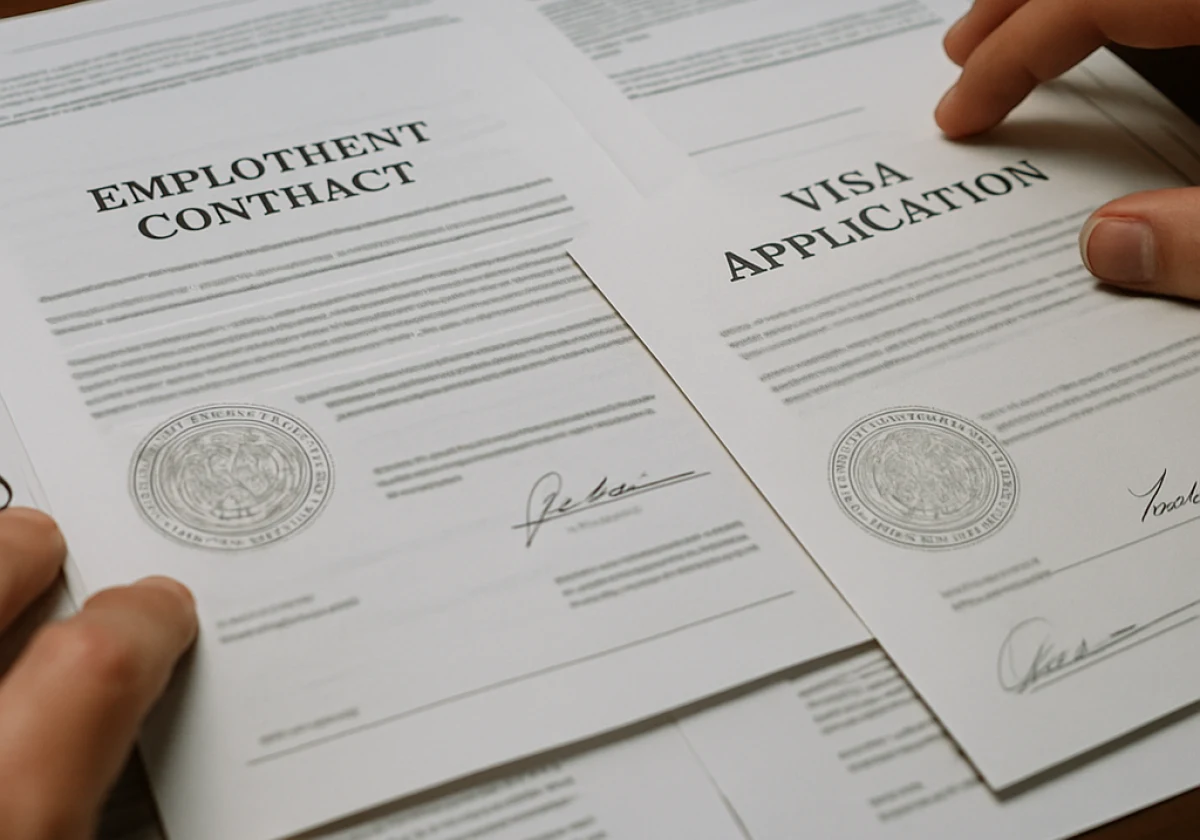
Every fake overseas job offer copies details from legitimate employers, including company names, logos, and hiring language. Scammers use familiar details because they hold up during a quick search. Four tactics make the offer look convincing:
Cloned Company Websites: Scammers register a domain one letter off the real address, then copy the careers page word for word, staff photos included.
Stolen Recruiter Identities: Lifted straight from LinkedIn, a real recruiter’s photo and job title appear on a chat profile the recruiter has never used.
Official-Looking Contracts and Visa Paperwork: Neat templates carry copied government seals, a start date, and a visa category. The paperwork may look official even when no application exists.
Professional Email Signatures and Interview Scripts: The call follows a prepared script, so the questions sound like HR. A rushed audio-only interview with no video gives you another reason to check the caller’s identity.
Since scammers can copy all of these details, appearance alone cannot confirm an offer is genuine. Check the employer and recruiter through official channels before you trust the person contacting you.
Recruitment Checks: How to Verify the Legitimacy of the Agency

Checking a recruiter against a public register exposes fake details before you pay anyone. In fact, licensed firms and scam operations leave different records on paper. Set the offer in front of you and compare it line by line.
| Licensed recruitment agency | Scam operation |
|---|---|
| License number listed in a public register | No number, or a screenshot you cannot verify |
| Placement fees disclosed up front and consistent with local rules | Unexpected upfront fees for visas, training, or flights |
| Verifiable office address and contact details | Chat apps only, with no fixed location |
| Written job offers signed by the employer | False promises traded over chat |
Once you know what to compare, run the license check through the authority that governs overseas work where you live. Workers in the Philippines look up licensed agencies through the DMW, while India uses the eMigrate portal.
Similarly, US applicants should check job scams through the Federal Trade Commission (FTC) and check recruiter licensing through their state’s labour or licensing department.
The license number alone isn’t enough, though. An overseas job scam we reviewed once used a number copied from a real agency. So compare the agency name and other details on the register with the recruiter contacting you.
Scam Warning Signs in Social Media Job Postings
Thousands of fake job ads go up on Facebook and TikTok every single day. Social Media gives scammers free reach and quick access to job seekers, so many of the job opportunities you see there lead nowhere. Three habits will help keep those posts away from your documents.
1. Facebook Groups and Messaging Apps Where Scammers Hunt
Facebook groups built around work overseas are a common hunting ground. Thousands of hopeful people gather there and trade leads in one place. Fake recruiters comment under genuine posts, then send a private message within minutes.
After a short exchange, they often move the conversation to WhatsApp or Telegram. Once you leave the public group, other members no longer see what the recruiter promises you.
One reader told us her recruiter deleted the entire group the morning after collecting deposits from eleven applicants. After the group disappeared, the other members lost the chance to compare messages or warn each other.
2. Job Offer Scams That Skip the Interview Entirely
Hiring without a real interview deserves a closer look. If nobody asks about your skills or experience, nobody is properly checking whether you suit the role. The request that follows often reveals what the recruiter wants instead.
Rather than assessing you, these job postings jump straight to documents. They ask for your passport page and bank details within the first few messages.
Genuine overseas job recruitment normally includes a proper interview or screening process. A real recruiter should also explain the role, employer, work location, and next steps when you ask.
3. Checking a Company’s Online Footprint and Privacy Policy
A suspicious social media post deserves a check outside the platform. Search the company name beside the word scam, then read independent results before trusting its careers page (the first screen of results often tells you plenty).
Next, look for dated news coverage, employee reviews, and a registered business number. Check the company website as well. Its Privacy Policy should identify the organisation collecting your personal information and explain how it handles your data.
A blank, copied, or missing Privacy Policy adds another warning sign when the company already looks suspicious. Fraudulent job listings often rely on appearance, so compare the website with independent sources before sending your documents.
What Should You Do Before Sending Any Documents?
Before sending any documents, confirm the recruiter’s details with your government’s overseas employment office and get the offer in writing. Verbal promises over a chat app give you little evidence if the money disappears.
Start with the license number if recruiters in your country need one. Also check the number against the official register and make sure the agency name and contact details match.
After checking the recruiter, ask for the contract as a PDF. It should show the employer’s name, the monthly salary, the contract length, and details about your role. Then contact the company through the address on its own website, never the one in the offer. A reply from HR gives you an independent way to verify job offer details.
When it comes to your own documents, send only what each stage needs. Give a CV first and identity pages only when the hiring process requires them. And definitely hold back bank details until the employer explains why they need them. Your passport scan is worth money to the people running a job offer scam, so mark every copy with the date and purpose.
US regulators also put it plainly on the FTC job scams page: a legitimate employer won’t ask you to pay for the promise of a job. If any check fails, stop before sending money or documents. Then report the account to the platform and the relevant authorities so other job seekers have a better chance of avoiding the same scam.
Trust Your Checks, Instead of the Promise
A real offer should hold up when you check the recruiter, employer, and paperwork. A fake job offer often starts showing cracks once you compare those details with official records. Pressure to act quickly or skip those checks gives you another reason to slow down.
So take the extra time before you send anything, and ask the questions that feel awkward to ask. A genuine recruiter should give you clear answers and enough information to check what they have told you.
With that in mind, Brian Mathews helps workers verify employment opportunities and recruitment agencies before they commit to anything overseas. Our team will give your paperwork a second look and help you spot details worth checking. Contact us today before you commit to an overseas offer.






 </a
</a